On October 31, 2025, the Center for International Security and Strategy (CISS) at Tsinghua University held the 23rd session of its CISS StratFocus, focusing on the theme “Assessing the Strategic Capacity of Trump 2.0.” The keynote speaker was Dr. Zhang Yifei, Associate Research Fellow at the Institute of American Studies, Chinese Academy of Social Sciences (CASS). The discussants were Dr. Xu Ruoji, Associate Research Fellow at the Institute of European Studies, CASS, and Dr. Gong Ting, Deputy Director and Associate Research Fellow at the Institute of International Strategy, China Institute of International Studies (CIIS). The forum was moderated by Dr. Sun Chenghao, Fellow at CISS.
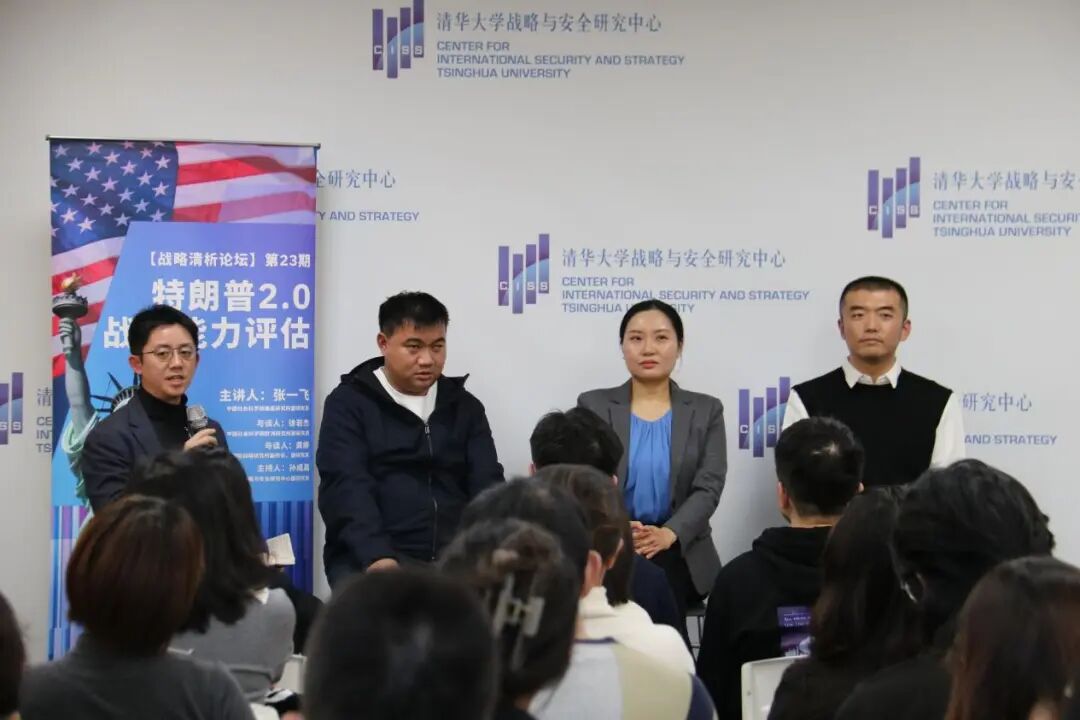
Dr. Zhang highlighted that since Trump’s second term, most major domestic and foreign policy initiatives have faltered, reflecting a significant decline in the United States’ strategic capacity to implement its will and policy agenda. He analyzed the weakening of U.S. strategic capability during the Trump 2.0 period from three perspectives: personal factors related to Trump, structural dilemmas in U.S. strategic policy, and the historical inevitability of declining Western strategic capacity.
First, Trump’s personal misjudgment of the initial state of U.S. strategy and his high sensitivity to environmental changes affected decision-making. His “America First” approach exhibited depoliticized and anti-modern characteristics at the international level. Second, the structural dilemma of U.S. strategic retrenchment—such as the challenge of controlling spheres of influence and the absence of capable proxies—limits the feasibility of rapid retrenchment. Third, the inherent conflict between capitalist systems and strategic objectives often entangles Western countries in capital-driven, individualistic pursuits, ultimately undermining their ability and will to pursue long-term strategic goals. Looking ahead, Dr. Zhang suggested that the U.S. might enter a state of “disorder without collapse,” while China could continue to optimize its domestic and international dual-circulation strategy and weaken the leverage of U.S. “cost imposition” measures.
During the discussion, Dr. Gong noted that the means by which Trump 2.0 seeks to maintain U.S. hegemony are highly uncertain and unpredictable, significantly increasing global instability and raising the risk of deep disorder. This has eroded trust in the U.S., including among allied nations, and diminished the soft power dimension of U.S. comprehensive national strength. She emphasized the need for a comprehensive and systematic assessment of U.S. capabilities, particularly in economic, technological, and military domains.
Dr. Xu Ruoji added that, under ongoing international disorder, declining U.S. strategic capacity, Trump’s assertive and personalized governance style, and Europe’s strategic disarray, transatlantic relations have undergone disruptive changes. The U.S.–Europe alliance shows a “U.S. rise, Europe decline” trend, with American dominance shaping the new normal. Compared to the Biden administration’s emphasis on transatlantic cohesion and Western value-based alliances, Trump prioritized “America First,” treating transatlantic relations instrumentally to serve U.S. hegemonic interests. Consequently, U.S. policy toward Europe in a potential second Trump term would be increasingly realist, with ideological considerations minimized. As U.S. strategic capacity declines, future preemptive interventions against perceived security threats could further increase international security risks.
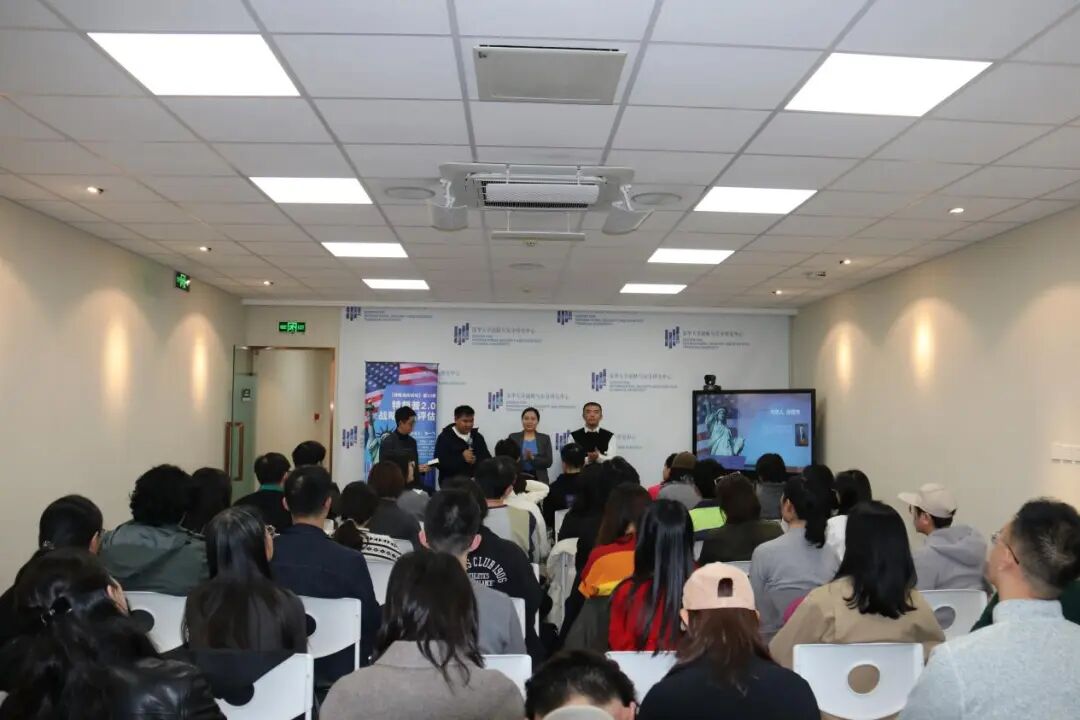
In the Q&A session, participants raised questions on topics including the structural inevitability of U.S. strategic decline, whether China–U.S. relations can overcome a zero-sum mindset, China’s strategic resilience amid changing global conditions, and comparisons between the strategic capacities of the Trump and Biden administrations. The keynote speaker and discussants responded and engaged in in-depth discussions.
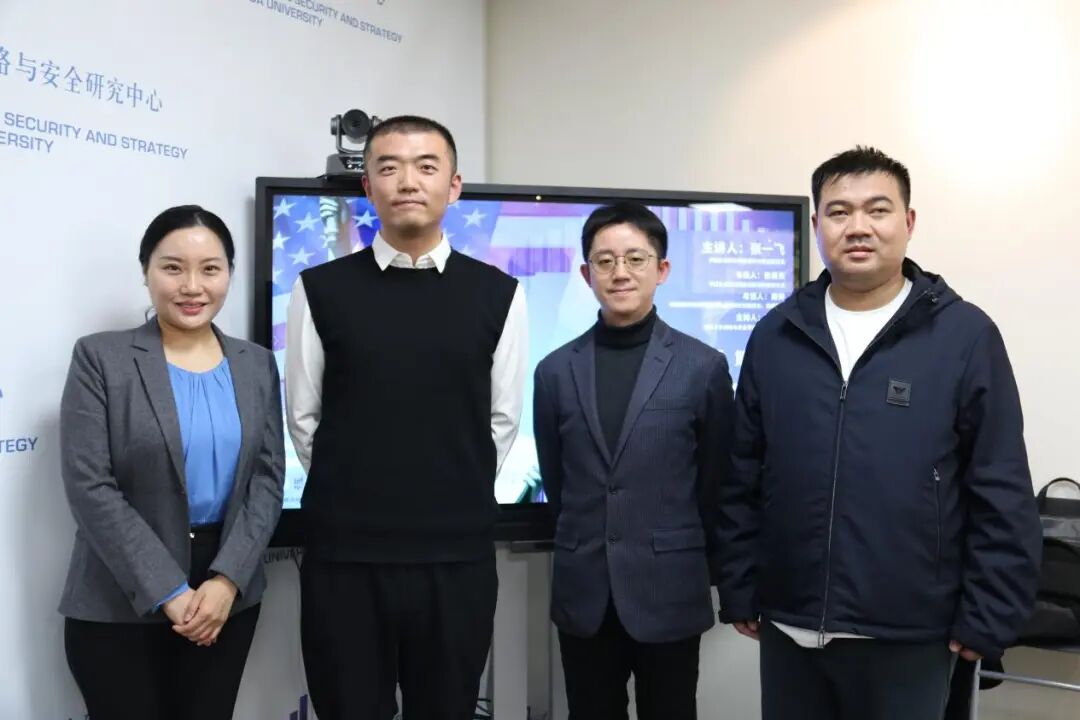
In conclusion, moderator Dr. Sun Chenghao summarized the event, noting that it was a resounding success.